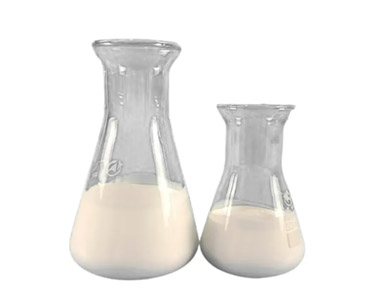
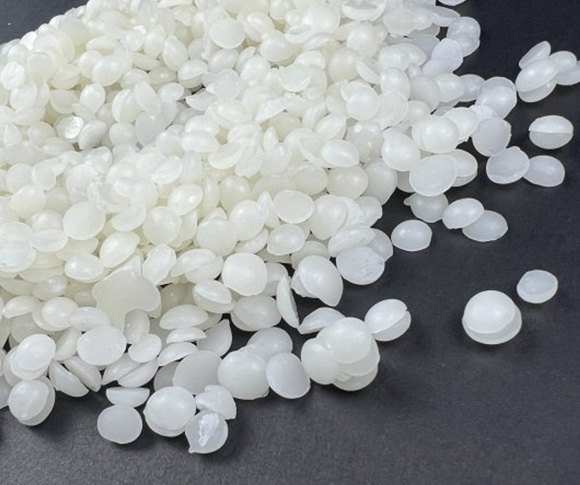
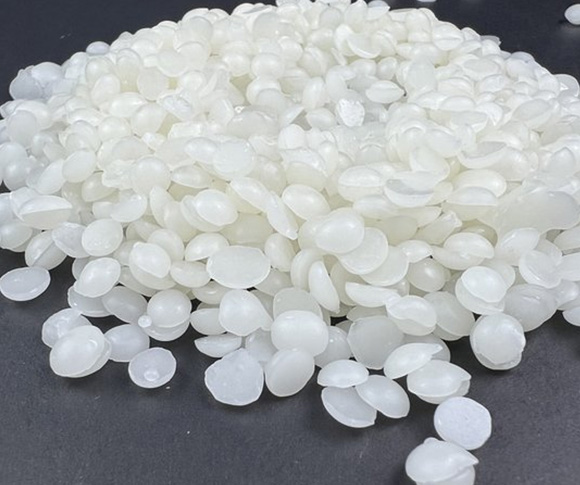
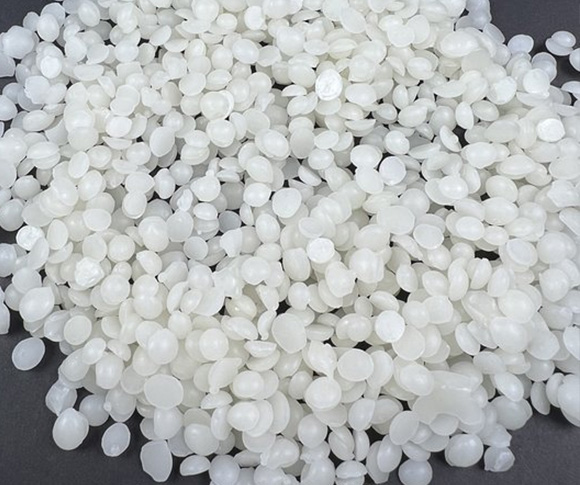
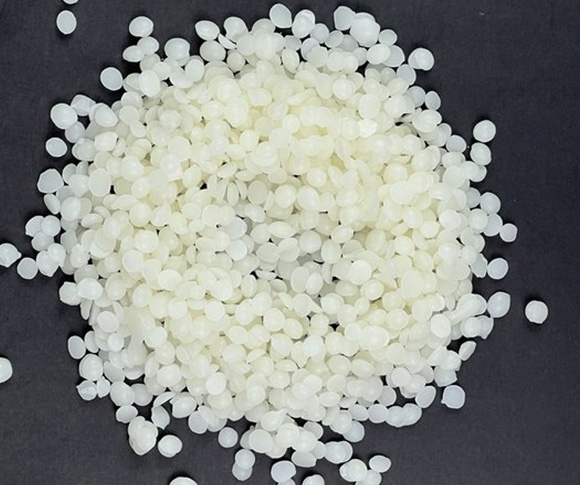
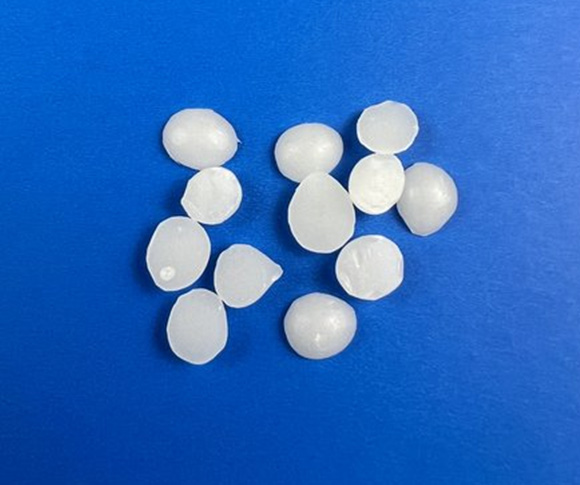
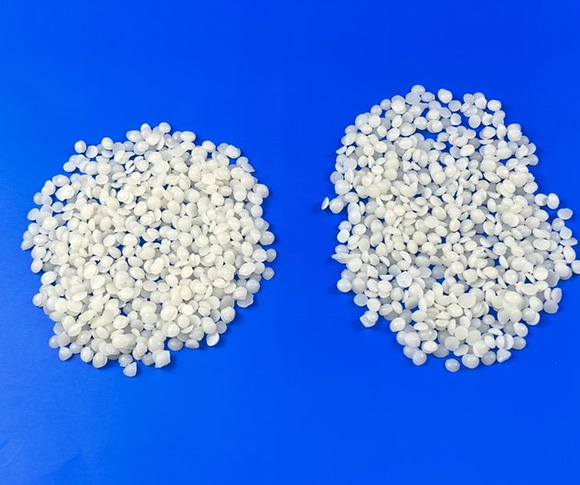
Protective Wax
- Features:
- Protective wax is manufactured by heating and melting a base wax, adding a blend of additives, and then cooling and solidifying the mixture.
- Film-Forming Protection: Creates a dense film layer on the surface, isolating it from water, air, acids, alkalis, and other corrosive elements, providing corrosion and rust protection.
Features
1. Film-Forming Protection: Creates a dense film layer on the surface, isolating it from water, air, acids, alkalis, and other corrosive elements, providing corrosion and rust protection.
2. High Weather Resistance: Resistant to ultraviolet radiation and extreme temperatures, delaying aging and extending the service life of protected objects.
3. Hydrophobic and Stain-Resistant: Repels water droplets, reduces dust adhesion, and helps maintain a clean surface.
4. Lubricating and Wear-Resistant: Reduces the coefficient of friction, minimizes wear, and enhances surface lubricity.
5. Good Adhesion: Bonds strongly with substrates such as metal, plastic, and leather, ensuring that the protective film is resistant to delamination.
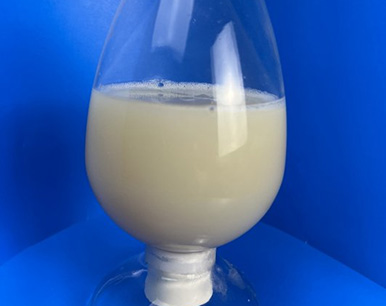
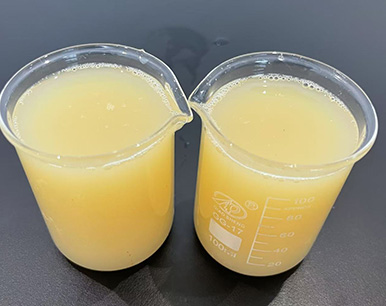
6. Convenient Application: Can be dissolved in solvents or formulated as an emulsion, suitable for application by spraying, coating, or other methods.
Test Report
| Manufacturer: Henan Yuyang Wax Industry Co., Ltd. Brand: Yuyang | |||
| Product Name: Rubber Protective Wax Standard: NB/SH/T 0871-2021 | |||
| Parameter | Specification | Test Result | Test Method |
| Dropping Point (°C) | ≥68℃ | 69.5℃ | GB/T 8026 |
| Isomer Content % | 35.10% | NB/SH/T 0653 | |
| Color (Saybolt No.) | 0.5 | GB/T 6540 | |
| Kinematic Viscosity (at 100℃), mm²/s | 6.65 | GB/T 265 | |
| Carbon Peak | C31 | NB/SH/T 0653 | |
Applications
Protective wax has a wide range of applications, including:
1. Metalworking: Used for rust and corrosion prevention on metal products, such as steel, copper, and aluminum. Applying protective wax during storage and transport effectively prevents oxidation and rusting.
2. Automotive Industry: Used for waxing and polishing vehicle bodies, enhancing the gloss of the finish and protecting the paint from ultraviolet (UV) radiation, acid rain, and other environmental damage. It can also be used for the protection of automotive components.
3. Leather Goods: Moisturizes leather, prevents cracking, enhances waterproofing, and improves abrasion resistance, extending the lifespan of leather products.
4. Plastic Products: When added to plastic products, it improves weather resistance and anti-aging properties, preventing discoloration, embrittlement, and other problems that can occur during prolonged use.
5. Wood Protection: Forms a protective film on wood surfaces, preventing moisture damage, mold growth, and insect infestation, while also enhancing the wood’s luster and aesthetic appeal.
6. Other Areas: Protective wax is applied to the surfaces of industrial equipment and mechanical parts to provide a protective effect. Specialized protective waxes are also used in the conservation of artifacts to protect the surface of historical and cultural relics.