Fischer-Tropsch (FT) Wax
- Features:
- High Melting Point: Typically ranging from 80-110°C, higher than conventional paraffin waxes, providing stability at elevated temperatures.
Features
1. High Melting Point: Typically ranging from 80-110°C, higher than conventional paraffin waxes, providing stability at elevated temperatures.
2. High Hardness: Exhibits excellent hardness and abrasion resistance, enhancing the surface hardness and scratch resistance of products.
3. Low Viscosity: Possesses low viscosity in its molten state, offering good fluidity and ease of processing.
4. Excellent Chemical Stability: Inert to oxidation, hydrolysis, and other chemical reactions, providing good resistance to chemical corrosion.
5. High Purity: Virtually free of aromatics, sulfur, and other impurities, offering excellent environmental performance and is odorless.
6. Excellent Lubricity: Reduces friction during processing, improving production efficiency and enhancing product surface quality.
Test Report
| Company: Henan Yuyang Wax Industry Co., Ltd. Product Name: Fischer-Tropsch Wax | |||||||||
| Complete Range of Fischer-Tropsch (FT) Wax | Specification Test Result | Test Method | |||||||
| Grade | 60# | 70# | 80# | 90# | 95# | 105# | 115# | ||
| Parameter/Specification | |||||||||
| Dropping Point (°C) | Greater than the actual grade | 63.5 | 76.2 | 82.1 | 100.6 | 104 | 108.3 | 113 | GB/T8026 |
| Oil Content (% by mass) | ≤4% | 4.74 | 2.32 | 1 | 1.73 | 0.15 | 0.1 | 0.1 | GB/T3554 |
| Odor No. | ≤4 | 1 | 1 | 1 | 1 | 1 | 1 | 1 | SH/T0414 |
| Needle Penetration at 25°C (1/10mm) | ≤15 | 13.8 | 11 | 8 | 4.2 | 3.1 | 3 | 0.8 | GB/T4985 |
| Kinematic Viscosity (at 130℃), mm²/s | 5.6 | 6 | 7.8 | 9.1 | 9.5 | 10.5 | 12.6 | GB/T265 | |
| Water-Soluble Acids & Alkalis | Nil | NB/SH/T 0407 | |||||||
| Mechanical Impurities & Water | Nil | Visual | |||||||
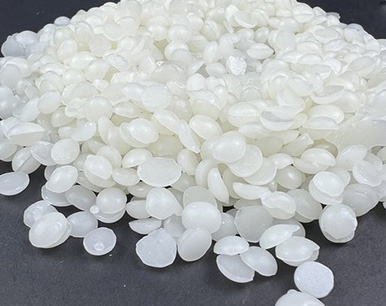
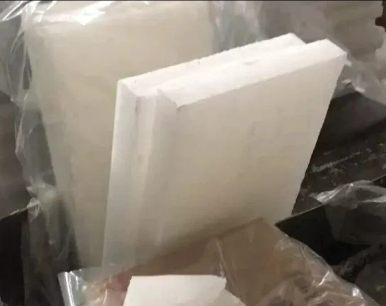
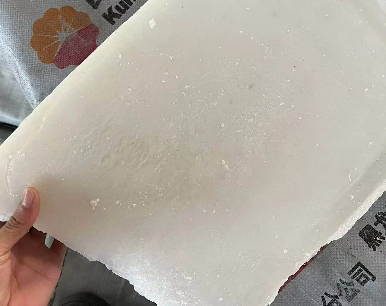
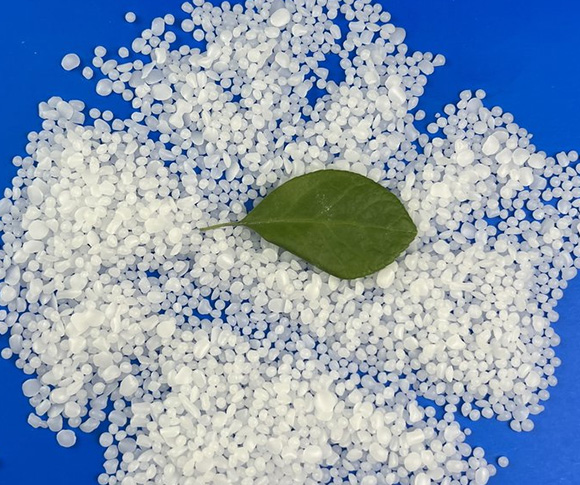
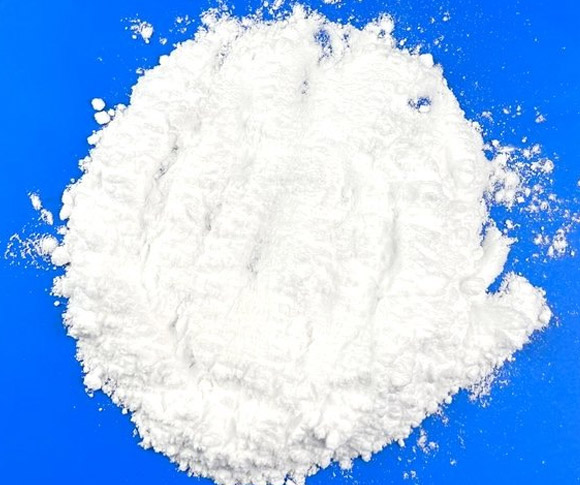
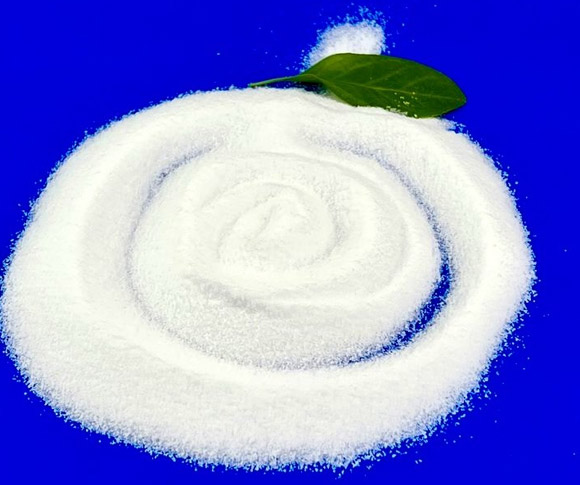
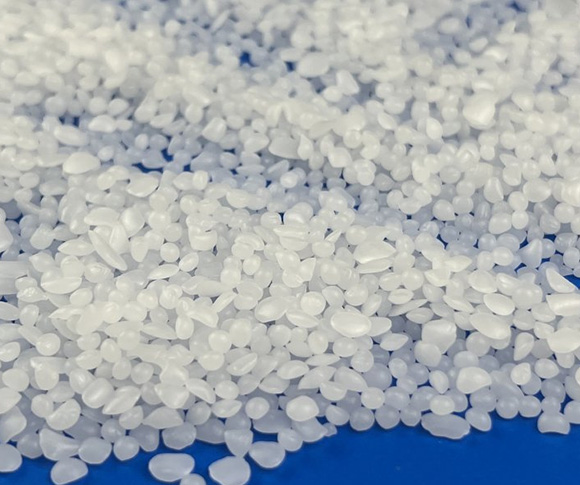
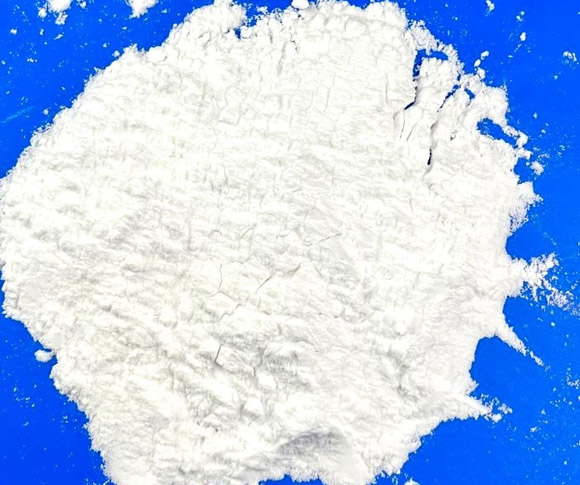
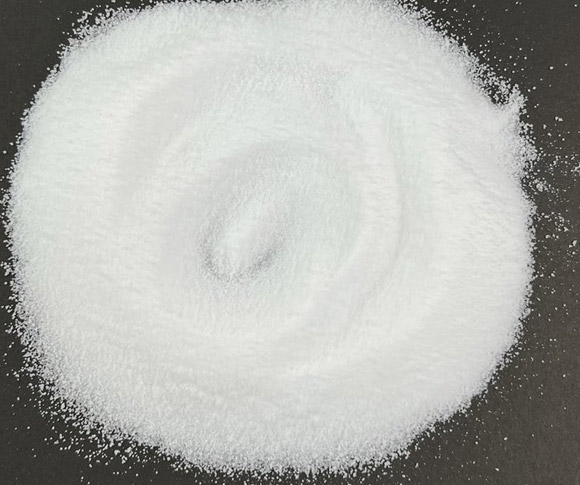
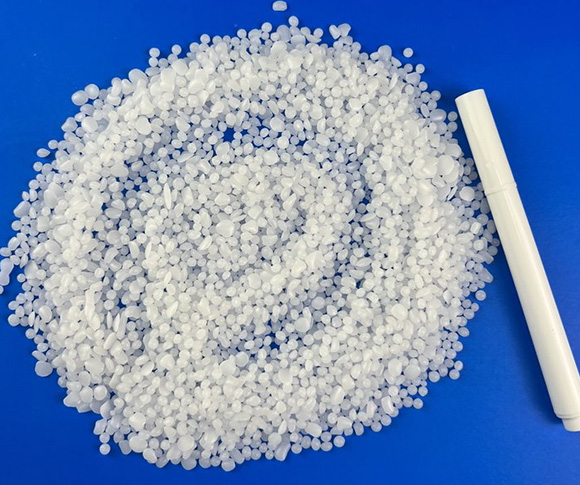
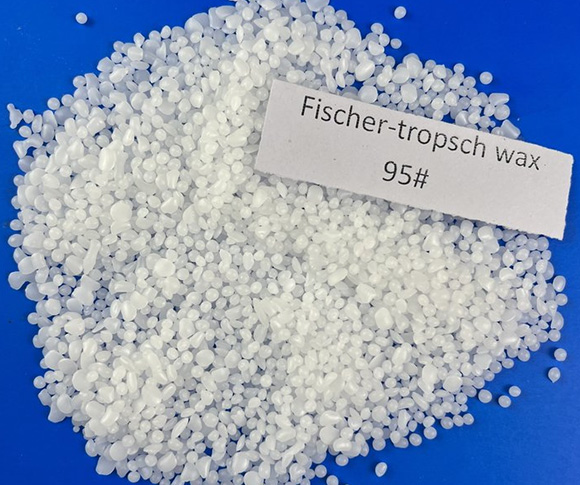
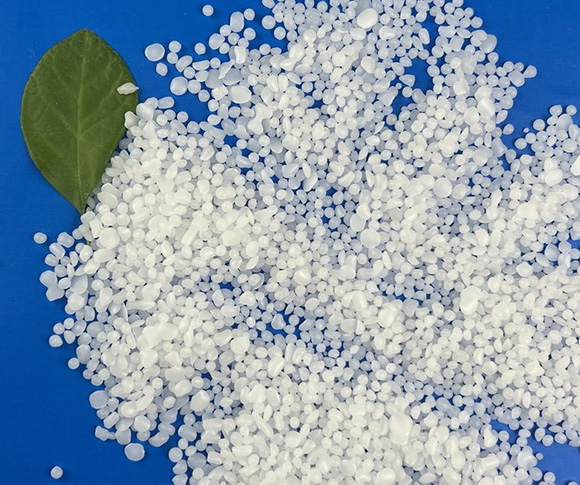
| Form | Granule / Prill / Powder | ||||||||
Applications
FT wax has a wide range of applications, including:
1. Plastics Industry: Used as a lubricant, mold release agent, and plasticizer, improving plastic processing performance and enhancing product surface finish.
2. Rubber Industry: Employed as a lubricant and mold release agent in rubber processing, improving compound flow and reducing mixing energy consumption.
3. Coatings Industry: Enhances the abrasion resistance, scratch resistance, and gloss of coatings, and improves leveling properties.
4. Inks Industry: Increases the gloss and abrasion resistance of inks, and improves ink transfer during printing.
5. Candle Industry: Improves the hardness, gloss, and burning characteristics of candles, promoting more even and longer-lasting combustion.
6. Electronics Industry: In encapsulation materials for electronic components, it acts as a lubricant and mold release agent, concurrently improving the insulation and water resistance of the encapsulating material.