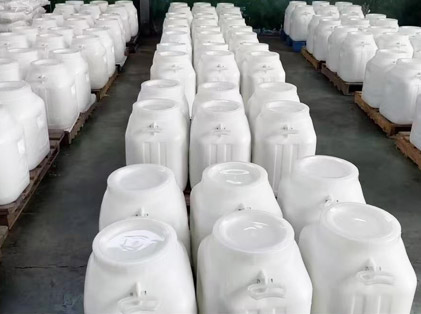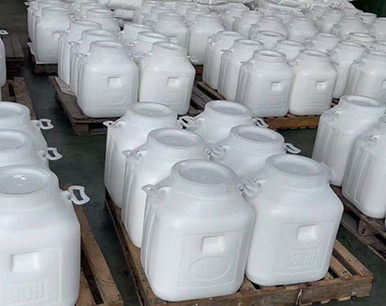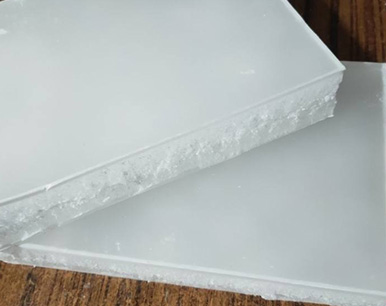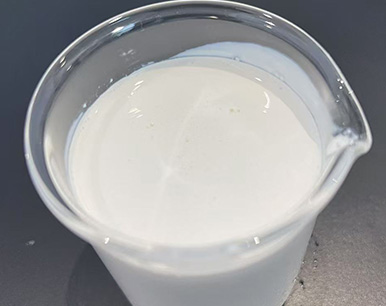
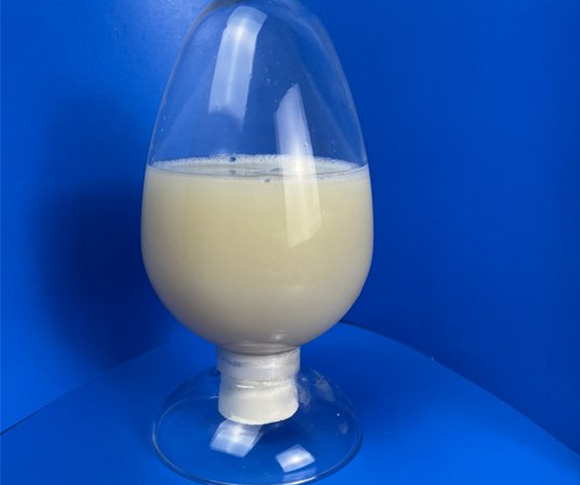
Polypropylene Wax Emulsion
- Features:
-
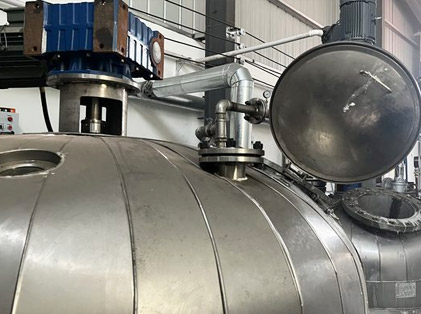
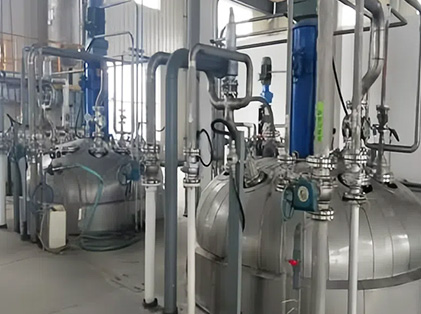
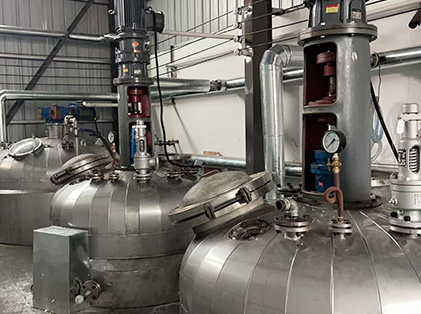
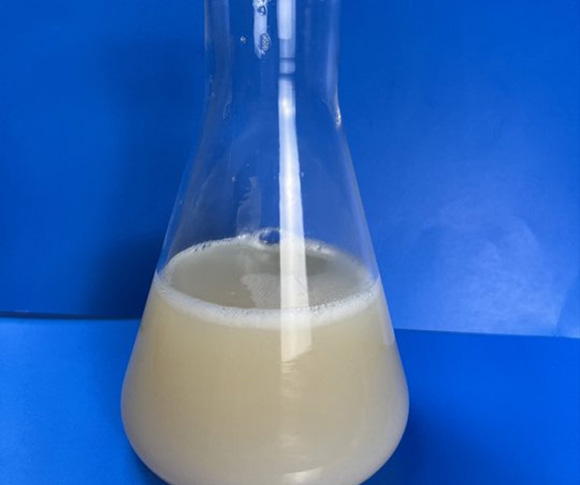
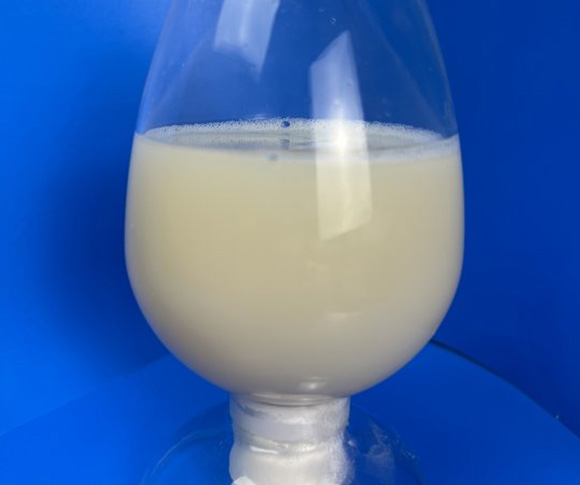
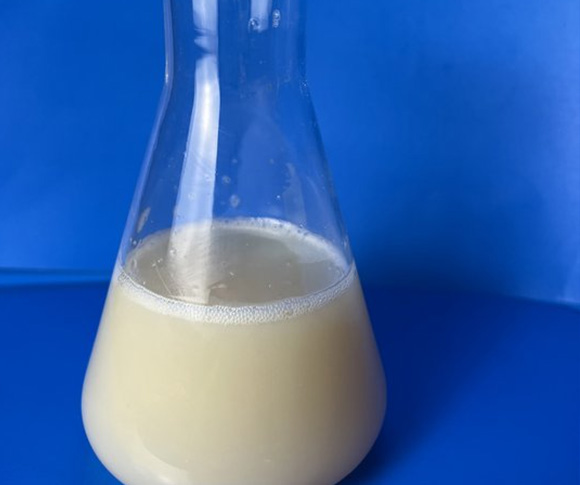
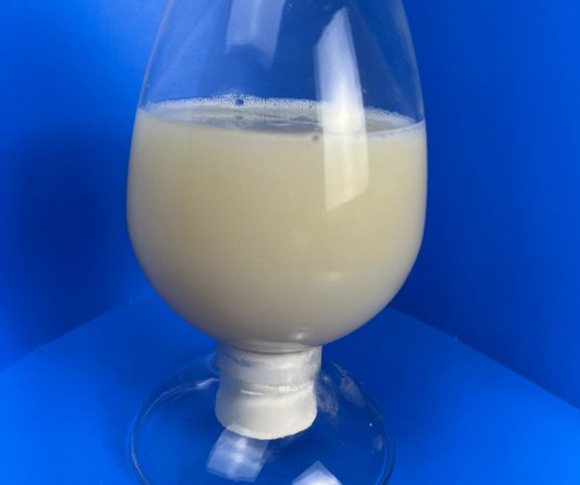
Polypropylene wax emulsion is created by combining molten wax, miscible emulsifiers, and water, then agitating the mixture.
- Excellent Chemical Stability: Exhibits high resistance to acids, alkalis, and salts, maintaining stability in various chemical environments.
Features
1. Excellent Chemical Stability: Exhibits high resistance to acids, alkalis, and salts, maintaining stability in various chemical environments.
2. High Hardness and Abrasion Resistance: Forms a durable protective film on surfaces, effectively enhancing material wear resistance.
3. Superior Lubricity: Reduces the coefficient of friction, improving processing performance. Functions as a lubricant and release agent in plastics, rubber, and other applications.
4. Good Dispersion: Disperses uniformly in water, forming a stable emulsion system for easy and even application.
5. High Gloss: Imparts a good gloss to treated materials, enhancing their aesthetic quality.
Test Report
|
Company: Henan Yuyang Wax Industry Co., Ltd. Product Name: Polypropylene Wax Emulsion |
||||||
|
Model |
Component Name |
Emulsion Color |
pH Value |
Solid Content |
Ion Type |
Solid Wax Melting Point |
|
6038 |
Modified Polypropylene Wax |
Pale Yellow |
6-8 |
35% |
Non-ionic |
≥155℃ |
|
6030 |
Modified Polypropylene Wax |
Pale Yellow |
7-9 |
35% |
Non-ionic |
≥160℃ |
|
Product Features: High melting point, forms a hard coating, improves wear resistance, provides waterproofing and scratch resistance, and has good temperature resistance. |
||||||
Applications
Polypropylene wax emulsion finds applications in the following areas:
1. Plastics Processing: As a lubricant and release agent, it reduces the viscosity of plastic melts, improves processing flow, and enhances the surface finish of plastic products. It also facilitates the release of products from molds, reducing rejection rates.
2. Rubber Industry: Enhances the processing performance of rubber, reduces friction during mixing, and improves production efficiency. It also improves the surface quality of rubber products, enhancing their abrasion resistance and anti-aging properties.
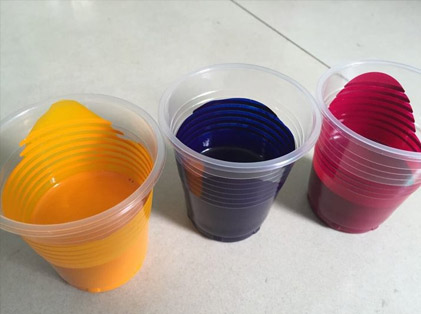
3. Paints and Inks: When added to paints, it increases the hardness, abrasion resistance, and water resistance of the coating, while also improving leveling and gloss. In inks, it improves transferability and adhesion, resulting in printed materials with vibrant colors and good gloss.
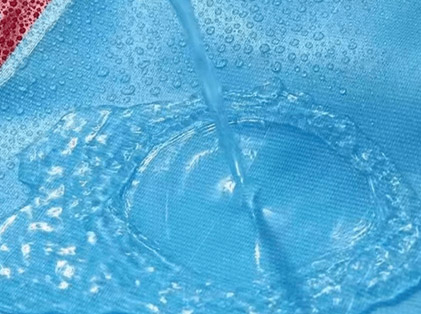
4. Textile Industry: Used for fabric finishing, it imparts a soft, smooth feel to fabrics while enhancing their abrasion resistance and wrinkle resistance, improving the overall quality of the fabric.
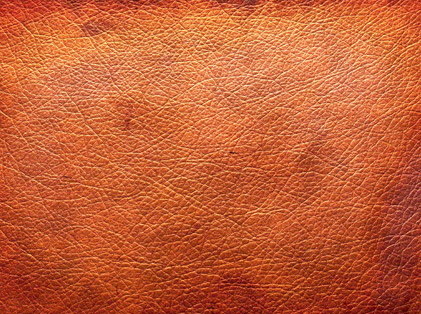
5. Leather Processing: Improves the softness and gloss of leather, enhances its water and stain resistance, and increases its durability.