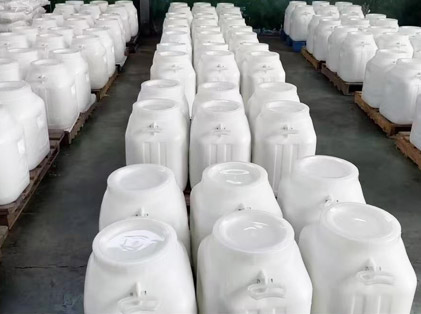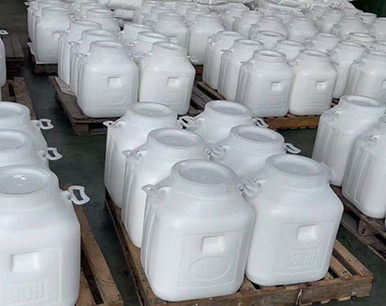
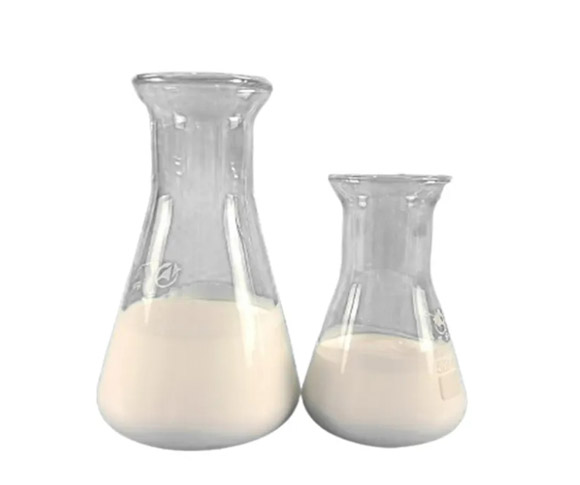
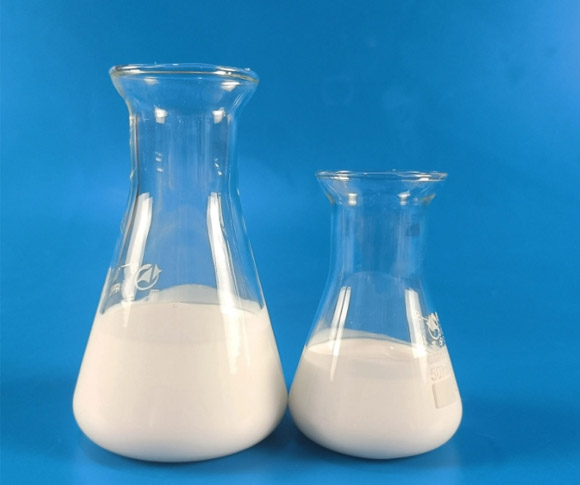
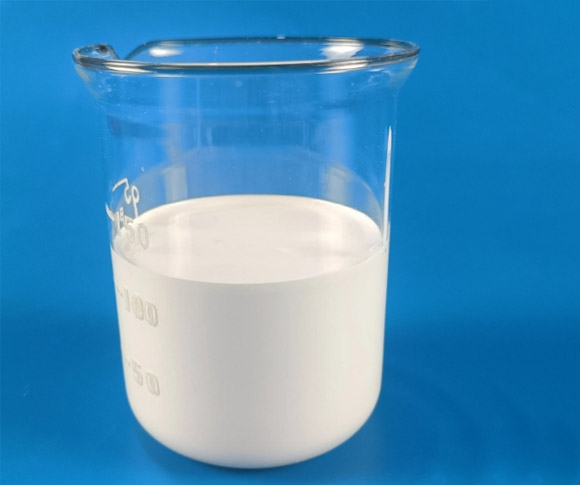
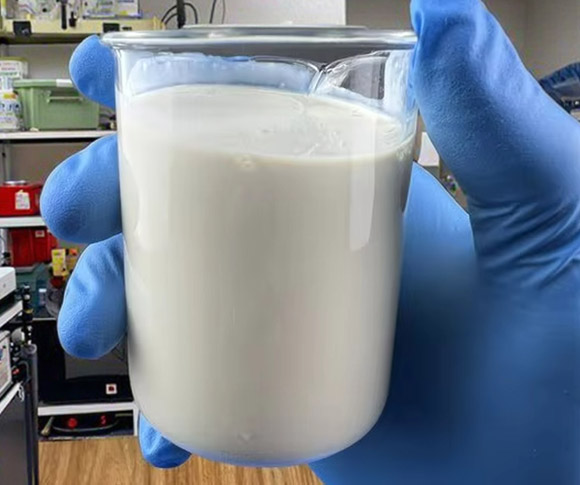
Paraffin Wax Emulsion
- Features:
-
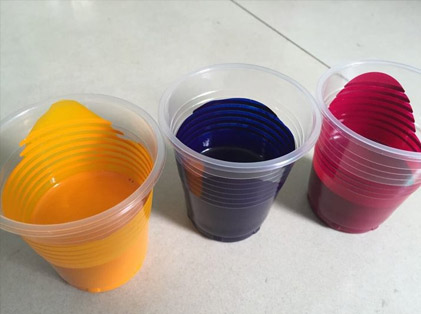
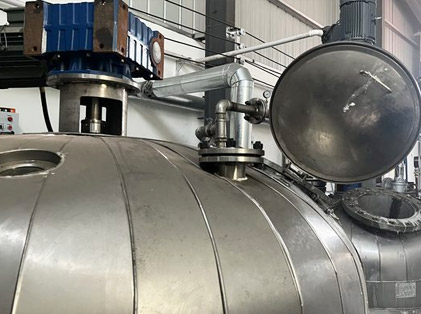
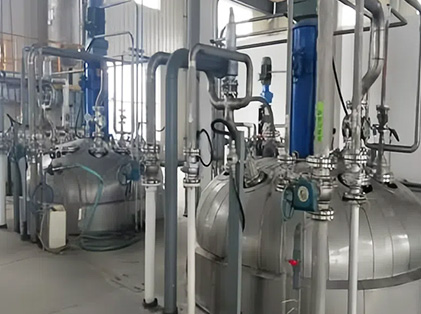
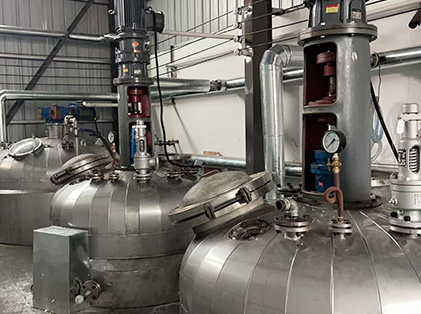
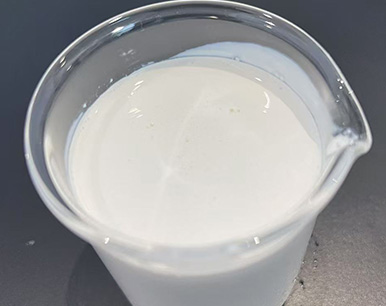
Paraffin wax emulsion is made by melting wax, mixing with emulsifiers, and stirring in water.
- Good Stability: Can maintain a uniform emulsion state under certain conditions and is not prone to delamination or demulsification, making it easy to store and transport.
Features
1. Good Stability: Can maintain a uniform emulsion state under certain conditions and is not prone to delamination or demulsification, making it easy to store and transport.
2. Low Cost: Paraffin wax is widely available and relatively inexpensive. Emulsions made from it are also relatively low in cost, offering a high cost-performance ratio.
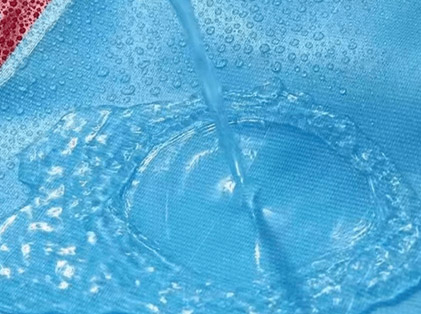
3. Good Water Resistance: Can form a continuous waterproof film on the surface of objects, effectively preventing moisture penetration and providing good waterproofing.
4. Good Lubricity: Can reduce the coefficient of friction on the surface of objects, making the surface smoother. It can provide good lubrication in industries such as textiles and paper-making.
5. Stable Chemical Properties: Does not easily undergo chemical reactions with other substances and can maintain its own properties in different environments. It can be used in combination with various additives.
Test Report
|
Company: Henan Yuyang Wax Industry Co., Ltd. Product Name: Paraffin Wax Emulsion |
||||||
|
Model |
Component Name |
Emulsion Color |
PH Value |
Solid Content |
Ion Type |
Solid Wax Melting Point |
|
S508 |
58# Paraffin Wax |
White |
5-7 |
50% |
Non-ionic |
≥58 |
|
Product Features: Resistant to acids and alkalis, high water solubility, scratch resistance, waterproofing, stain resistance, anti-blocking, and strong water retention. |
||||||
Applications
Paraffin wax emulsion has the following applications:
1. Paper Industry: Used for paper sizing to improve the water resistance and strength and improve the printing performance.
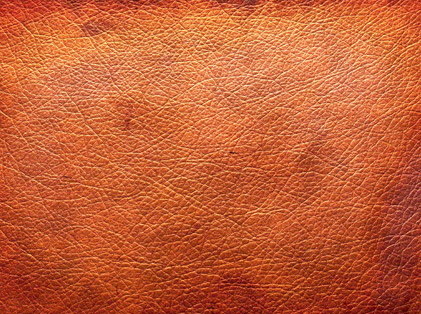
2. Leather Industry: Can be used for fatliquoring and finishing of leather, making the leather soft and full, and improving the water resistance and abrasion resistance of the leather.
3. Building Materials: Added to building coatings, putties, and other materials to improve their waterproof and stain-resistant properties. Used for masonry surface treatment to enhance the waterproofness and durability of masonry.
4. Wood Processing: Used for the waterproof treatment of wood, it can penetrate into the wood to form a protective film, preventing the wood from becoming damp, deformed, or rotten. It can also improve the surface performance of the wood, making it easier to paint and stain.