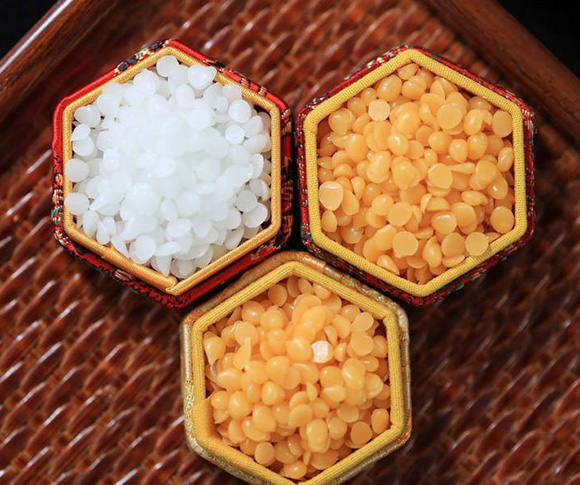
Beeswax
- Features:
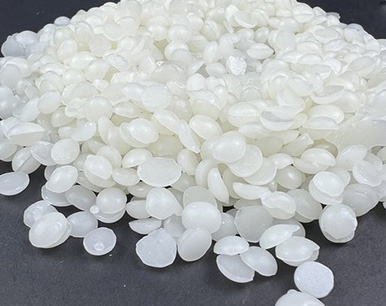
- Beeswax is made from beeswax secreted by worker bees, which is then refined.
Features
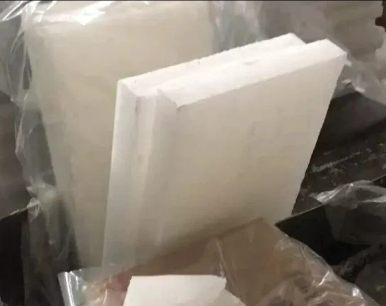
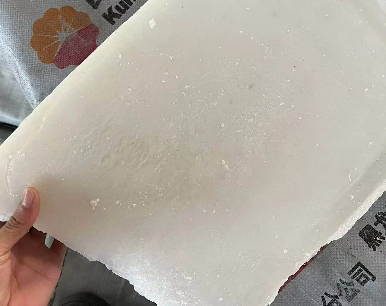
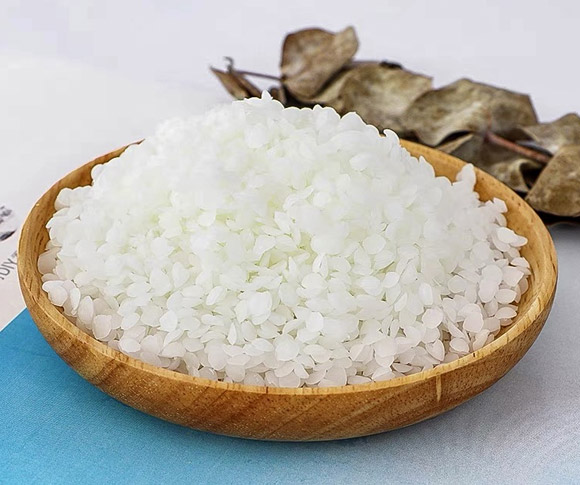
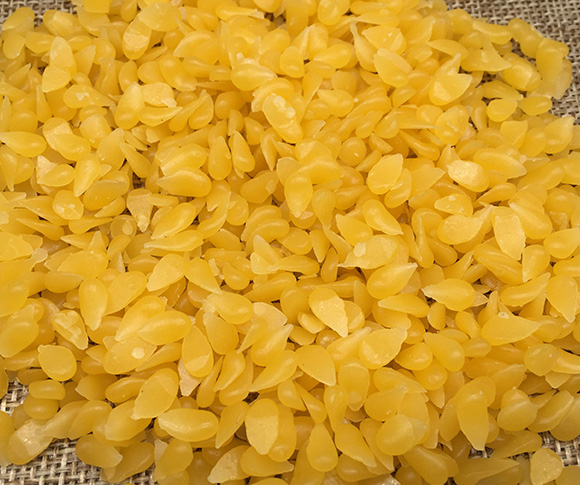
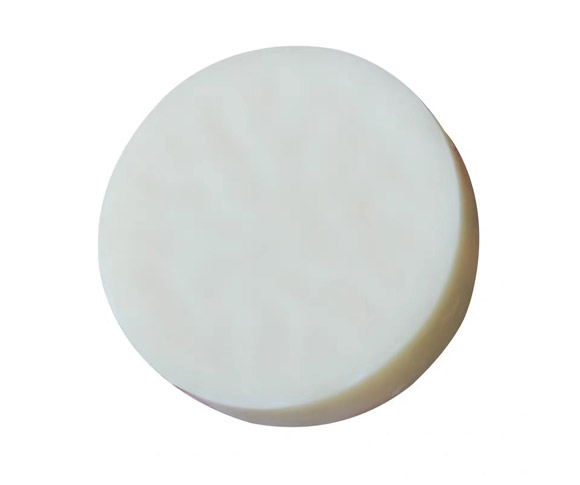
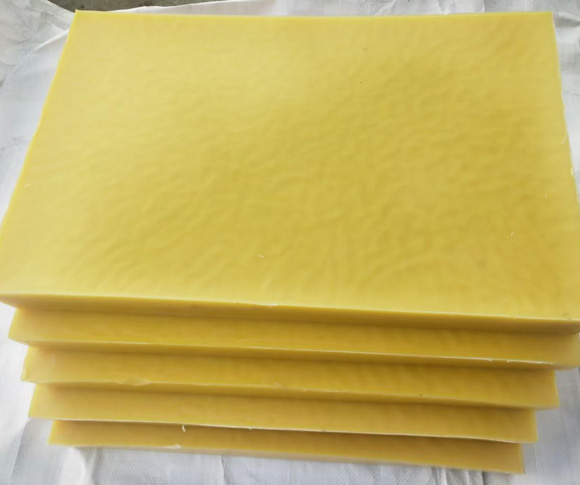
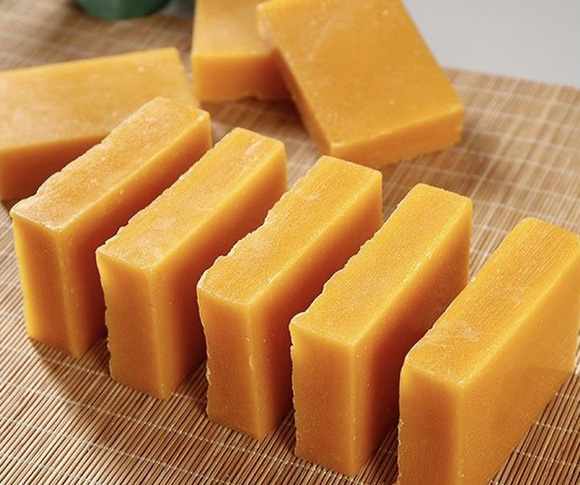
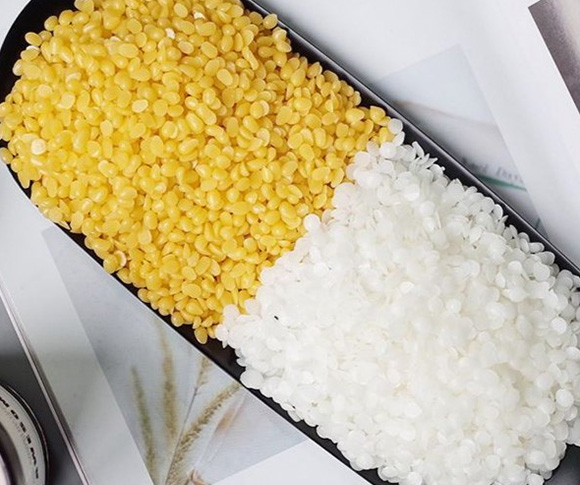
1. Physical Properties: Solid at room temperature. Crude beeswax is pale yellow or yellow, while bleached beeswax is white. It’s a lustrous, soft, and pliable material. Insoluble in water, it is soluble in organic solvents such as diethyl ether and chloroform. It exhibits a degree of plasticity and lubricity.
2. Chemical Properties: Primarily composed of fatty acids, fatty alcohols, and hydrocarbons, giving it excellent chemical stability. It possesses good water resistance, electrical insulation properties, and antioxidant capabilities.
3. Biological Properties: Natural beeswax is non-toxic. It has moisturizing and protective effects on human skin and also exhibits some antibacterial and anti-inflammatory properties.
4. Odor and Taste: Possesses a distinctive beeswax aroma and a mild, subtly sweet taste.
5. Processability: Easily processed and formed. It can be melted by heating and then shaped into various forms as needed.
Applications
Beeswax has a wide range of applications, primarily in the following fields:
1. Food Processing: As a food additive, it functions as a coating agent, glazing agent, and component in food packaging.
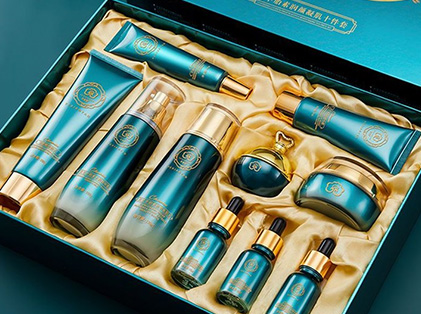
2. Cosmetics Industry: Frequently used in the manufacture of lip balms, lipsticks, creams, and hand lotions. It enhances the product’s consistency, hardness, and luster while providing moisturizing and protective benefits to the skin.
3. Pharmaceutical Industry: Utilized in the production of sustained-release medications, suppositories, and pill coatings. It’s also employed in pharmaceutical packaging and sealing. Furthermore, beeswax plays a role in topical ointments within Traditional Chinese Medicine (TCM) practices, where it is valued for its anti-inflammatory and analgesic properties.
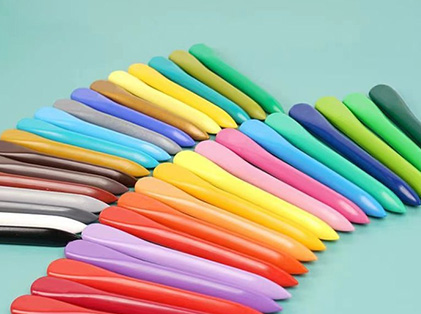
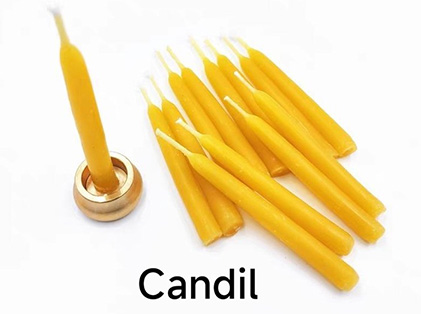
4. Candle Manufacturing: An essential raw material for candle production, providing a stable flame, reducing soot emissions, and imparting a distinctive aroma.
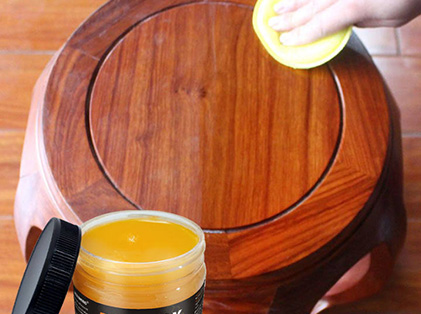
5. Leather Industry: Employed in leather care and conditioning, making leather supple, lustrous, and enhancing its water resistance and abrasion resistance.
6. Agriculture and Horticulture: Used for grafting fruit trees, acting as a grafting wax to improve graft survival rates. It can also be found in certain plant protection products, providing a protective effect.
Test Report
|
Product Name: Yellow Beeswax / White Beeswax / Beeswax Pellets Standard: GB/T24314-2009 |
|||
|
Manufacturer: Henan Yuyang Wax Industry Factory, China Color: Yellow / White |
|||
|
Sensory Requirements (Details below) |
|||
|
Odor |
Possesses the characteristic aroma of beeswax, free from any off-odors. |
||
|
Surface |
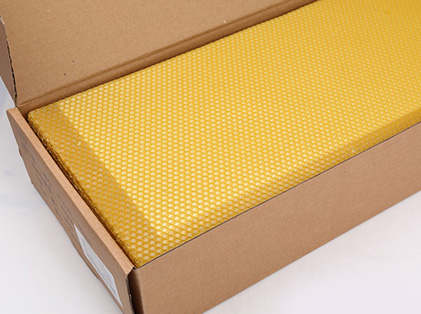
Matte (non-glossy) finish with a rippled or wavy texture. |
||
|
Cross-section |
The cross-section is dense, fine, and uniform in structure. The color is consistent throughout, with no visible layering or striations. |
||
|
Color |
Creamy white / Light yellow / Yellow / Orange-red. |
||
|
Physicochemical Indexes (Details below) |
|||
|
Parameter |
Specification |
Test Result |
|
|
Melting Point (℃) |
62-67 |
63 |
|
|
Refractive Index (75℃) |
1.4410-1.4430 |
1.4410 |
|
|
Acid Value (mg KOH/g) |
16-23 |
18 |
|
|
Saponification Value (mg KOH/g) |
75.2-110.0 |
100 |
|
|
Ester Value (mg KOH/g) |
70.0-80.0 |
73 |
|
|
Hydrocarbon % |
≤ 18 |
17.5 |
|
|
Mechanical Impurities & Water % |
≤ 0.3 |
0.2 |
|